

The name alone makes people curious, and the search volume proves it — plenty of people typing “HideMyAss” into Google aren’t even sure what the service actually is yet. This HMA VPN review covers what it does, how safe it actually is, and whether its budget pricing and massive server count make up for the trade-offs we found in current 2026 testing.
Short version: HMA has real strengths, mainly around server coverage and price, but it’s not the strongest pick if speed consistency or top-tier privacy jurisdiction matter most to you.
What is HideMyAss, exactly? HMA — short for HideMyAss — is a VPN service that’s been around since 2005, making it one of the older names in the category. It’s now owned by Aura, a digital safety company, and has built its reputation primarily around one thing: an enormous server network spanning over 210 countries, more geographic coverage than almost any competitor.
The company is headquartered in the UK, which is worth knowing upfront since it falls under the Five Eyes intelligence-sharing alliance — a meaningfully different privacy position than VPNs based in Switzerland or Panama.
This is probably the single most-asked question before anyone subscribes, so let’s answer it directly. Is HideMyAss safe for everyday browsing, banking, and general privacy needs?
Overall, yes, with some caveats. HMA uses AES-256 encryption and includes a kill switch to prevent data leaks if your connection drops. Its no-logs policy has been independently audited by a third-party cybersecurity firm, which is a real step toward earning trust after some privacy controversies in the company’s earlier history. Where the safety picture gets more complicated is jurisdiction — being UK-based under Five Eyes means the company is legally subject to different data-request obligations than VPNs based outside intelligence-sharing alliances. For everyday privacy and public Wi-Fi protection, HMA is safe. For someone specifically avoiding Five Eyes jurisdiction, it’s a real limitation worth knowing.
A lot of searches specifically look for HideMyAss proxy free options, and it’s worth clarifying what’s actually available. HMA doesn’t currently offer a standalone free proxy tool the way it once did years ago as a browser-based service. What exists now is a limited free trial period on the paid VPN app, rather than an ongoing free proxy.
If you’re specifically after a free option, it’s worth comparing against competitors that do offer genuinely free (if limited) VPN tiers, since HMA’s model today is built around its paid subscription rather than a permanently free proxy product.
One of the most practical, commonly searched use cases is simply how to change your IP address to another country — and HMA is built specifically to make this easy given its huge server list. The process looks like this:
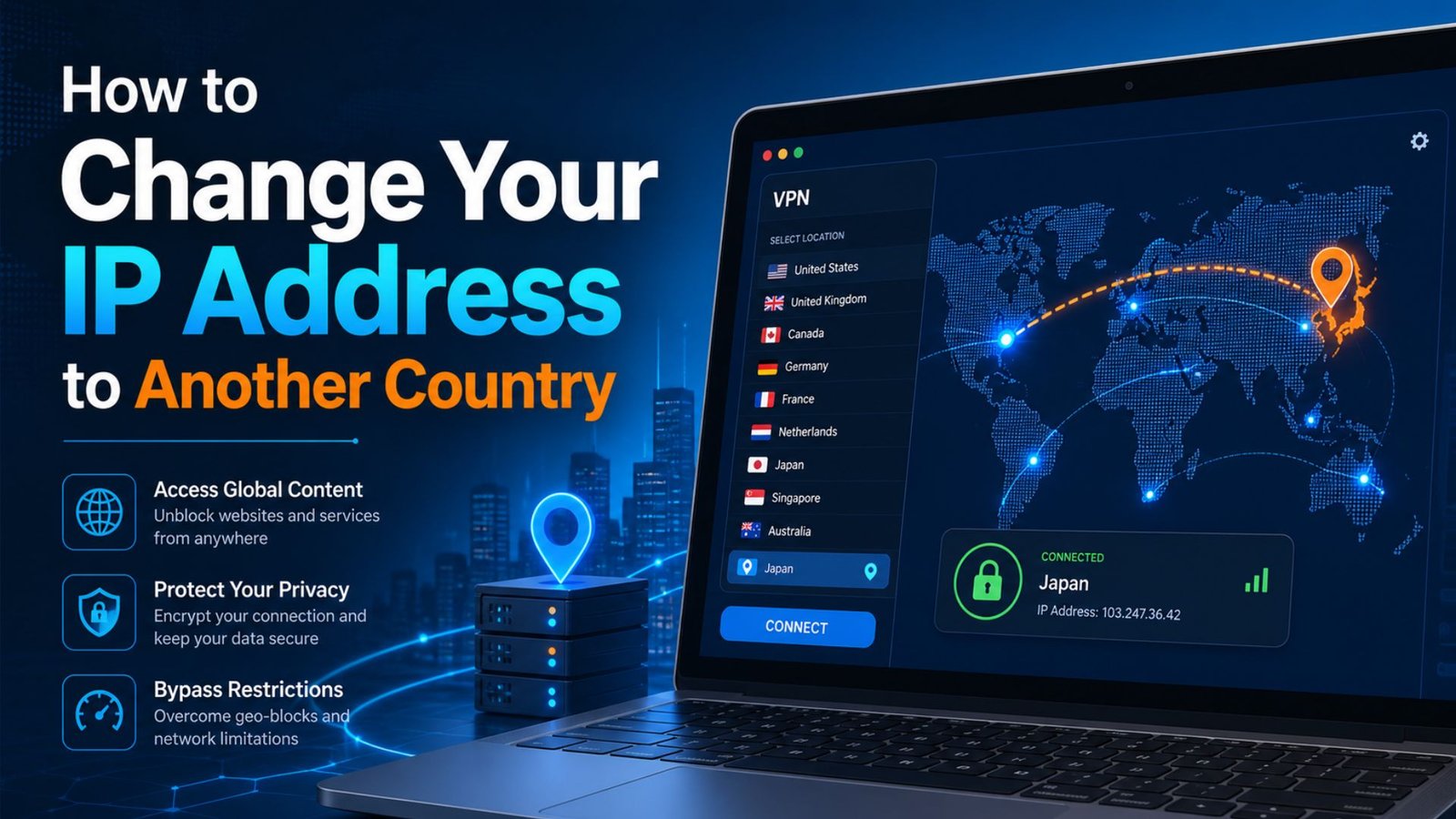
Because HMA maintains servers in over 210 countries — more than most competitors — it’s a genuinely strong pick specifically for this use case, even where its raw speed doesn’t always lead the category.
If you’ve searched for an HMA key hoping to unlock premium features without paying, it’s worth pausing here. This usually points toward unofficial license keys or cracked activation tools circulating outside HMA’s official channels — and using them carries real risk. These files are commonly bundled with malware, and using an unauthorized key can also mean your traffic isn’t actually protected the way a legitimate subscription is, defeating the entire purpose of using a VPN in the first place.
HMA regularly runs discounted long-term plans directly through its own site, which is a far safer way to bring the cost down than relying on an unofficial key from an untrusted source.
For anyone who landed here still asking what a VPN in a sentence actually means: a VPN encrypts your internet connection and routes it through a remote server, hiding your real IP address and protecting your data from being seen by your internet provider, public Wi-Fi networks, or anyone else monitoring the connection. That’s the whole concept — everything else, including HMA’s specific features, builds on top of that basic function.
HMA’s pricing follows a familiar VPN pattern: the monthly plan costs the most, while longer commitments bring the price down substantially. Long-term plans can drop to around $2.99/month, making it one of the more budget-friendly premium VPNs available, while the month-to-month plan sits closer to $11-12, more in line with premium competitors.
All paid plans typically include a money-back guarantee window, so it’s worth testing the service on a shorter commitment before locking into a multi-year plan if you’re unsure about speed consistency in your specific region.
HMA’s performance is genuinely mixed depending on distance. Nearby-server speeds hold up reasonably well for everyday browsing and HD streaming, but independent testing shows a steeper drop-off on long-distance connections compared to some top-tier competitors. Streaming unblocking is inconsistent across platforms — it works for some services more reliably than others — and torrenting support is limited to a specific set of servers rather than the entire network.
If your main use case is simply getting an IP address in an uncommon country, this trade-off matters less. If you specifically need reliable, fast streaming from distant locations, it’s worth testing during the money-back window before committing long-term.
What works well:
Where it falls short:
HMA VPN’s strongest case is reach and price — few VPNs match its 210+ country server list, and its long-term pricing is genuinely competitive. It’s not the fastest option for distant connections, and its UK jurisdiction is worth weighing if privacy from intelligence-sharing alliances is a priority for you. For anyone who mainly needs a reliable IP address in a specific country without breaking the budget, it remains a reasonable pick heading into 2026.
Yes. AES-256 encryption and an independently audited no-logs policy cover standard privacy needs well, though its UK jurisdiction is a factor to weigh if you’re specifically avoiding Five Eyes alliance countries.
Beyond general privacy, it’s commonly used to access content restricted to specific countries, protect data on public Wi-Fi, and route traffic through one of its 210+ server locations.
Not as an ongoing free product — HMA currently offers a limited free trial on its paid app rather than a standalone free proxy service.
Yes. Unofficial keys typically come from unverified sources and are commonly bundled with malware. HMA’s own discounted long-term plans are a safer way to lower the cost.